read full details shows exactly how house edge functions across its games. The percentage the house retains on each bet helps players choose which titles offer better value and how long their bankroll could stretch. This guide simplifies the idea apart, highlights where the edge appears in different categories, and outlines the steps a UK player can implement to manage spending.
Explaining House Edge Signifies at Kwiff Casino
House edge is the integral benefit every casino game holds. It shows as a percentage of each bet the operator expects to hold over time. At Kwiff Casino the figure lies in plain display; each game’s information panel displays the calculated return-to-player (RTP) figure, so players determine the house edge by deducting that number from 100. A slot rated at 96 % RTP therefore possesses a 4 % house edge. The value stays constant no matter what happens in a single playthrough, which is the reason the same game can return well one day and withhold the next.
Being aware of the house edge creates practical targets. If a player bets £50 in bets on a game with a 4 % edge, the long-run cost totals roughly £2. Variance can shift results significantly in short bursts, so the edge only reveals itself across hundreds or thousands of spins or hands. Kwiff Casino therefore encourages players to review the RTP before they commence instead of relying from recent outcomes.
Recording Results and Tweaking Strategy
Maintaining a short record of each session turns the house edge from an abstract number into quantifiable data. Players who note game name, RTP, stake size, duration and net result can spot patterns within a few weeks. If one slot consistently underperforms its published RTP over a large sample, it may be advisable swapping for another game with the identical RTP but lower volatility.
Modification does not mean chasing better luck; it means aligning game choice with bankroll size and time at hand. A player with a £100 limit and thirty minutes may prefer a medium-volatility slot at 96.8 % RTP, while someone with £500 and two hours can accept a high-volatility title at 96.2 % RTP. Both stay within the same overall edge range, yet each choice suits the session constraints.
Weekly Review Questions
- What three games produced the smallest gap between theoretical and actual return?
- Did any session exceed the planned loss limit, and why?
- Are the current RTP choices still the best available this week?
After four weeks of consistent tracking, most players can ascertain whether their preferred games match the published edge or whether a change in selection or stake size would bring results closer to the expected long-run cost. This evidence-based approach keeps decisions based in the numbers rather than in recent wins or losses.

Typical Errors That Increase the Effective Edge
Numerous players miss small choices that silently raise the cost of play. Pursuing losses after a bad session, upping stake size to recover quickly, or switching to high-edge side bets all expand the gap between expected and actual result. Kwiff Casino displays the same RTP on every device, yet the edge only keeps low if the player clings to the original approach rather than responding to short-term results.
Another frequent error is neglecting the difference between theoretical RTP and actual session results. A slot at 96 % RTP can still pay out 120 % over fifty turns or drop to 70 % over the next fifty. The stated figure only balances across thousands of plays. Keeping a simple log of bets placed and amounts returned reveals whether current results land above or below the long-run norm and avoids over-adjustment based on a single session.
Useful Checks Before Every Session
- Check the RTP on the chosen game tile and record the volatility level.
- Establish a strict loss cap and a separate win goal before the first spin or hand.
- Omit any side bet whose house edge goes above 5 % unless the main game already hits the session goal.
- Write down starting balance, bets placed and final balance after each session.
Regulation Safety and Profile Security
Kwiff Casino operates under a UK Gambling Commission authorisation, which requires regular checks of game fairness and financial controls. The site employs 256-bit SSL encryption for all data transfers and keeps player funds in separate accounts. Two-factor authentication is available on every account and can be activated from the security settings page. These steps minimise the risk of unapproved access and shield both deposits and payouts from external risks.
The UK licence also requires clear display of the house edge and RTP information. Kwiff Casino places this data in the game rules rather than in a distinct help section, making it harder to miss. Players who want to verify the current licence state can select the licence badge in the footer, which links directly to the authority’s register.
How the Edge Appears in Slots
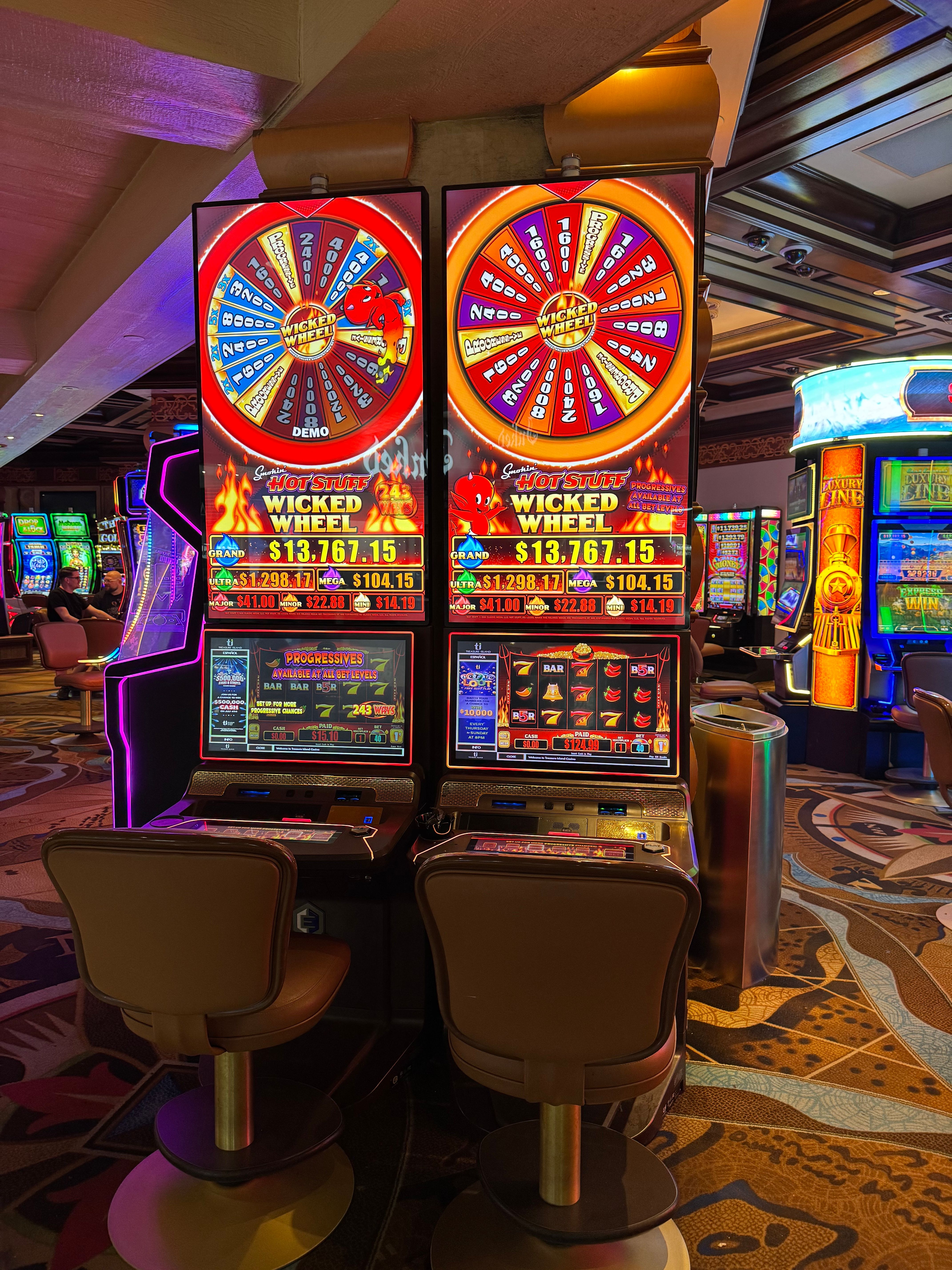
Slots make up the largest part of the Kwiff Casino lobby and feature the largest variety of house edges. Classic three-reel games frequently fall between 4 % and 8 %, while modern video slots usually sit between 3 % and 6 %. Progressive jackpot titles frequently have a higher edge, sometimes above 6 %, in exchange for the chance of a big payout. The info button on each game tile lists the exact RTP, so players can evaluate two similar titles before they wager.
Volatility also plays a role. A high-volatility slot may display 96 % RTP yet still produce long dry spells because the top prizes occur less often. A medium-volatility slot with the same RTP spreads returns more evenly. Kwiff Casino organizes games by volatility categories, letting players to align their chosen risk level with the listed house edge. Checking both numbers together stops surprises when a session runs longer than expected.
Selecting Slots With Better RTP
Players who aim to reduce the house edge can sort the selection by RTP and begin with titles at 96.5 % or higher. These games still use the same random-number-generator rules, but the reduced edge leads to a more gradual reduction of the bankroll. Even a 0.5 % variation adds up across thousands of spins, so the habit of checking the number before each session compounds over time.
Table Games and Their Stated Edges
Table games at Kwiff Casino list their house edges in the similar information panel used for slots. European roulette carries a 2.7 % edge because of the single zero, while American roulette multiplies that figure with an extra zero. Blackjack variants vary from 0.5 % to 2 % depending on the number of decks and the specific rules for splitting, doubling and dealer peeking. Players who pick European roulette or a blackjack table with favourable rules therefore face a lower long-term cost than those who select the American wheel or a game with limiting options.
Baccarat is another table game with a stated edge. Betting on the banker hand carries a 1.06 % edge after commission, while the player hand sits at 1.24 %. Kwiff Casino shows these percentages in the game rules so that bettors can determine which wager matches their tolerance for the house edge. Side bets such as pairs or dragon bonuses carry edges above 10 % and are distinctly labelled as higher-cost options.
Variations in Rules That Shift the Edge
Blackjack rules can alter the edge by several tenths of a percent. A table that pays 3:2 on blackjack rather than 6:5 boosts the player’s position. Allowing double after split and preventing the dealer’s peek to blackjack only also lowers the edge. Kwiff Casino lists the exact rule set under each table so that players can scan for these details before they sit down. Over a long session the combined effect of even a 0.3 % difference becomes noticeable in the overall return.
Cash Game Margins and Real-Time Decisions
Live dealer games stream from professional studios and maintain the same house edges as their RNG counterparts. Roulette wheels are single-zero, blackjack tables use the same rule variations, and baccarat commissions remain fixed. The difference lies in pace: live tables run at roughly 60–80 decisions per hour, slower than the hundreds of spins possible on a slot. This slower rate offers players more time to check the displayed RTP and decide whether the edge matches their session budget.
Some live tables present side bets with higher edges. Insurance in blackjack, for example, holds an edge above 7 % when the dealer shows an ace. Kwiff Casino locates these bets in a separate panel so that players who prefer the core wager can bypass them. Reviewing the bet list before placing chips helps keep the overall house edge closer to the published table minimum.
Using the Numbers in Real Scenarios
Examining the house edge before each session is a simple habit that safeguards a bankroll. At Kwiff Casino the information sits one click away on every game tile. Players can establish a session budget, choose titles with RTP above 96 %, steer clear of side bets with double-digit edges, and cash out winnings immediately once the target is reached. Over time these steps reduce the impact of the house edge without eliminating the entertainment value of the games.
The next practical move is to open the Kwiff Casino lobby, arrange by RTP, and jot down the top five titles. Compare their volatility settings, check the current balance against a planned session limit, and begin with a modest stake. Monitoring results for a week indicates whether the chosen games match expectations and whether any adjustment to game selection or bet size is required. This cycle of review and adjustment turns the abstract percentage into a concrete tool for longer, more controlled play.
Transaction Methods, Fees and Transaction Times
Funding and payouts at Kwiff Casino are processed via a small list of reliable services. Visa and Mastercard debit cards process both funding and cashouts, with funding showing up instantly and cashouts typically processing within 2 to 5 working days. Online wallets such as PayPal, Skrill and Neteller credit accounts immediately on deposit and return funds within 24 hours once confirmation is complete. Bank transfers need three to seven days but incur no operator fee.
Most options are complimentary from the casino side, yet card issuers or e-wallet providers can apply their own fees. Players should check the terms listed on the cashier page for any lowest or maximum restrictions that apply to each channel. Holding withdrawal requests under the daily limit avoids extra verification steps and maintains the total cost of playing nearer to the published house edge.
KYC and Cashout Speed
First withdrawals require identity verification, which involves uploading a government-issued photo ID and a recent utility bill or bank statement. Once files are accepted, subsequent cashouts process faster. Kwiff Casino aims to assess submissions within 24 hours on weekdays, though peak periods may extend this timeframe. Players who finish verification early prevent delays when they afterwards request larger sums.
Mobile Play and Steady House Edge Across Devices
The Kwiff Casino site is built in HTML5, so the similar games and RTP percentages display on desktop, tablet and smartphone browsers. No extra app is required; players simply log in through Safari or Chrome and the lobby adapts to screen size. Touch controls substitute for mouse clicks on mobile, yet the random-number generator and payout percentages remain identical to the desktop version.
Battery and data usage remain modest because the platform fetches assets only when needed. Players who change between devices mid-session can pick up exactly where they left off, with the same balance and game history. This reliability means that decisions about which games have the lowest house edge are valid equally whether someone is at home on a laptop or commuting on a phone.